
Printer ink splatters on your shirt right before a big meeting, and panic sets in immediately. You might wonder how to get printer ink out of clothes without ruining the fabric forever.
This guide provides proven steps to lift oil-based stains using household solvents like rubbing alcohol. You will learn specific techniques for cotton, denim, and delicate synthetics to save your favorite garments.
Identify the Ink Type to Choose the Right Solvent
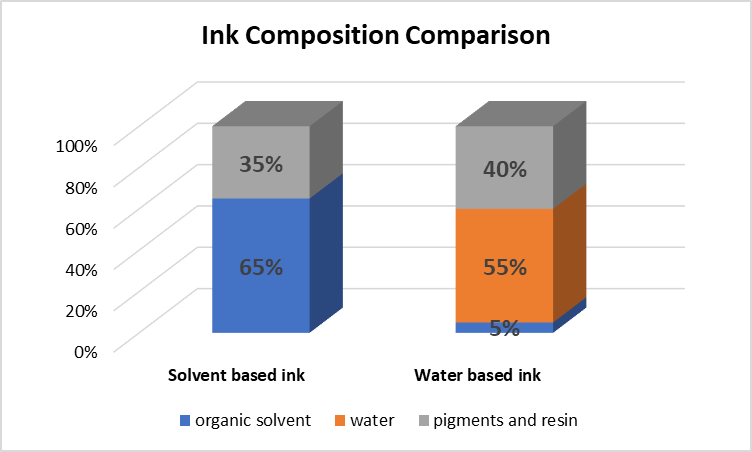
Successful removal starts by knowing what kind of ink you are dealing with. Different chemical bases require specific solutions to break them down effectively.
Distinguish Between Water and Oil Bases
Most printer ink is oil-based or solvent-based, making it resistant to plain water. Water-based inks from fountain pens blur easily, while oil-based printer ink needs alcohol to dissolve the greasy bond.
Recognize Permanent Ink Challenges
Permanent markers contain industrial-strength dyes that resist mild cleaners. These often require stronger solvents like acetone, but you must use extreme caution on synthetic fabrics.
Act Immediately to Prevent Permanent Staining
Time is your most valuable tool when fighting fresh ink stains. Wet ink has not yet bonded deeply with fabric fibers, making it much easier to lift.
Blot Gently Without Rubbing
- Use a clean, dry, white cloth or paper towel.
- Press down lightly to absorb excess liquid.
- Never scrub, as this pushes ink deeper into the weave.
Place a Barrier Under the Stain
Slide a folded towel or stack of paper towels underneath the affected area. This catches ink that seeps through and prevents it from staining the back of the garment.
Check the Care Label First
Look at the tag to see if the item is machine washable or dry clean only. Synthetic blends and natural fibers like silk require different handling to avoid damage.
Test for Colorfastness Before Applying Solvents
Using strong cleaners can strip dye or damage fibers if you do not test first. This critical step ensures your cleaning method is safe for that specific garment.
Perform a Patch Test on Hidden Areas
- Turn the garment inside out to find a seam or hem.
- Dip a cotton swab in your chosen solvent like rubbing alcohol.
- Dab the swab on the hidden spot and wait up to five minutes.
- Blot with a white paper towel to check for color transfer.
Evaluate Results Before Proceeding
If color appears on the towel or the fabric looks damaged, stop immediately. Choose a milder alternative or take the item to a professional cleaner to avoid ruining the garment.
Select the Best Solvent for Your Fabric
Not every cleaner works on every material, so choose wisely based on the fabric type. The right solvent breaks down the ink binder without harming the textile.
Rubbing Alcohol for Oil-Based Ink
Isopropyl alcohol is the gold standard for removing printer ink from cotton and denim. It effectively dissolves the oily components but may discolor some delicate synthetics.
Hand Sanitizer as a Gel Alternative
Alcohol-based hand sanitizers work well because the gel consistency keeps the solvent on the stain longer. Ensure the product contains at least 60 percent alcohol for effectiveness.
Acetone as a Last Resort
Acetone found in nail polish remover is powerful but risky for synthetic fibers. Use it only on sturdy natural fibers like cotton after other methods have failed.
Apply Solvent Using the Jar Method for Delicates
Delicate fabrics like polyester and spandex need a gentle approach to prevent damage. The jar method uses gravity to pull ink out rather than pushing it deeper.
Stretch Fabric Over a Glass Jar
- Place the stained area face-down over the mouth of a glass jar.
- Pull the fabric taut and secure it with a rubber band.
- Ensure the stain is centered over the opening for best results.
Drip Solvent Through the Fibers
- Apply rubbing alcohol directly to the top side of the stain.
- Watch as the ink dissolves and drips into the jar below.
- This prevents the ink from redepositing on the back of the fabric.
Use Direct Saturation for Sturdy Cotton and Denim

Sturdy materials like jeans and canvas can handle more aggressive treatment methods. Direct application allows the solvent to soak in and break down the stain thoroughly.
Soak and Blot Technique
- Lay the garment flat on a stack of paper towels.
- Saturate the stain completely with rubbing alcohol or hand sanitizer.
- Wait five minutes to let the solvent work on the ink.
- Blot repeatedly with a clean white cloth until no more ink transfers.
Repeat Until Clean
Continue the cycle of saturating and blotting until the cloth stays clean. You may need to replace the paper towels underneath several times as they absorb the lifted ink.
Treat Specific Fabrics with Tailored Methods
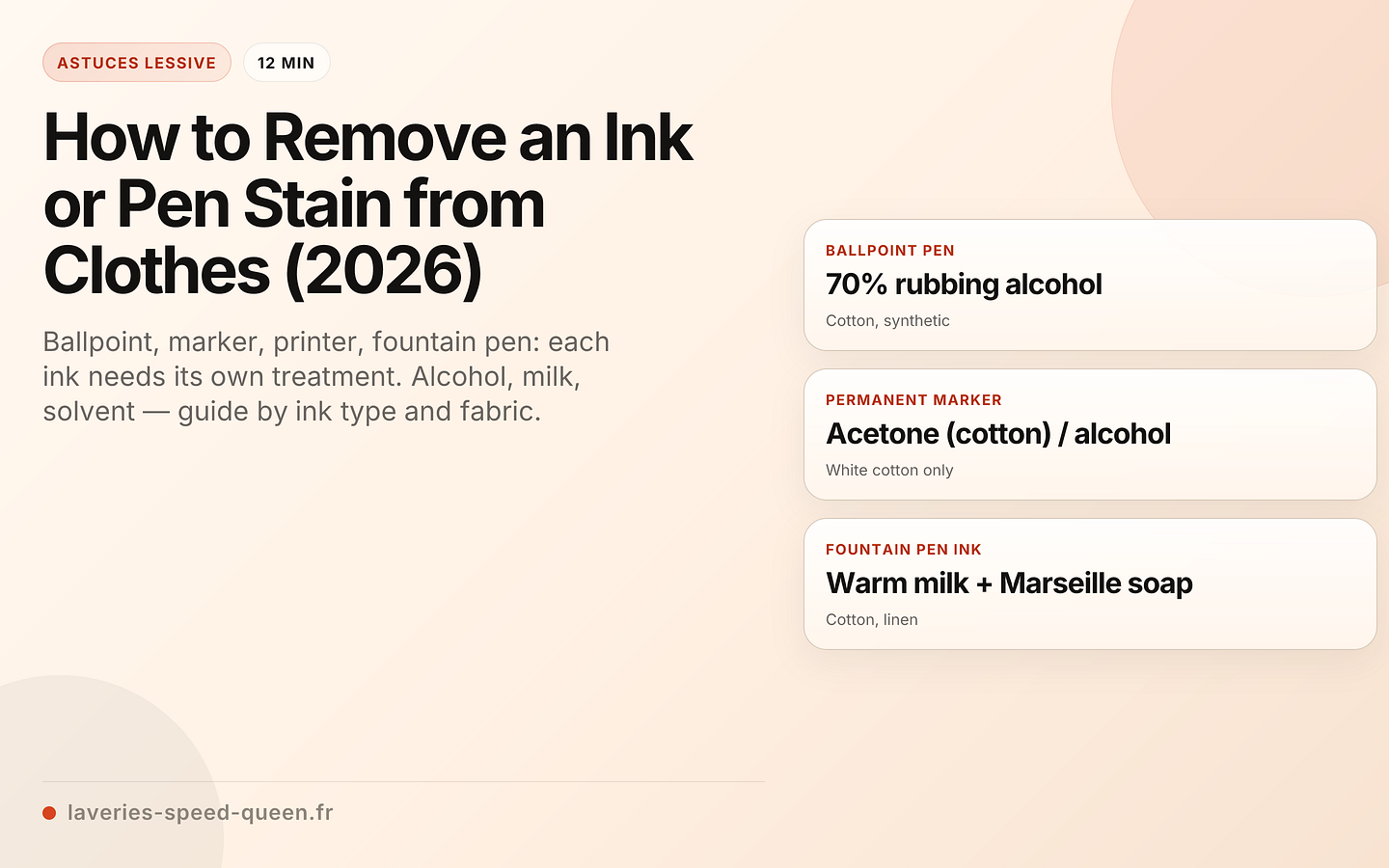
Different materials react uniquely to solvents, requiring adjusted techniques for safety. Follow these specific instructions to match your garment type.
Cotton and Cotton Blends
Mix half a teaspoon of clear dish soap with one tablespoon of white vinegar and warm water. Soak the stained area for thirty minutes before rinsing and applying alcohol if needed.
Denim and Heavy Jeans
Apply two to three drops of rubbing alcohol and gently scrub with a soft-bristled toothbrush. Rinse under cold water and wash immediately in the hottest water safe for denim.
Silk and Wool Delicates
Blot silk immediately with cold water and spray lightly with alcohol-based hairspray. For wool, use a fifty-fifty mixture of water and vinegar with a soft brush, avoiding any soaking.
Try Effective Homemade Remedies for Stubborn Stains
Household ingredients can create powerful cleaning solutions when commercial products are unavailable. These recipes offer gentle yet effective alternatives for various ink types.
Vinegar and Cornstarch Paste
Mix two parts white vinegar with three parts cornstarch to form a thick paste. Rub gently into the stain, let it dry completely, then brush off the residue and rinse.
Dish Soap and Vinegar Soak
Combine dish soap, vinegar, and warm water for a soaking solution ideal for wool and velvet. This mixture helps lift residual ink after an initial alcohol treatment.
Hand Sanitizer Quick Fix
Squirt alcohol-based sanitizer directly onto the stain and let it sit for five minutes. This method is perfect for emergency situations at the office or school.
Pretreat and Wash Garments Correctly
Proper washing ensures all solvent and ink residues are removed from the fabric. Skipping pretreatment can leave behind oils that attract dirt later.
Apply Liquid Detergent Directly
- Put liquid laundry detergent directly on the treated spot.
- Gently rub the fabric together or use a soft brush to work it in.
- Let it sit for five minutes without rinsing before washing.
Wash on the Hottest Safe Setting
Check the care label for the maximum temperature and wash accordingly. Hot water helps dissolve remaining ink, and you can add oxygen bleach for lingering discoloration.
Remove Dried or Set-In Ink Stains
Dried ink is tougher to remove but not impossible if you use persistence and the right technique. You may need to repeat the process several times for old stains.
Revive with Extended Alcohol Soak
Saturate the dried stain fully with rubbing alcohol and let it sit for fifteen minutes. Apply a specialized stain remover directly to the area and gently agitate with your fingers.
Rinse and Repeat Process
Rinse with cool water and check the progress before washing. If the stain persists, repeat the saturation and dwell process until the ink lifts significantly.
Avoid Common Mistakes That Set Stains
Small errors during the cleaning process can make a removable stain permanent. Knowing what not to do is just as important as knowing the right steps.
Never Use Heat Before Stain Removal
- Do not put the garment in a dryer or use an iron.
- Heat permanently bonds the ink to the fibers.
- Always air dry the item until you confirm the stain is gone.
Skip Non-Alcoholic Hairspray
Many modern hairsprays are water-based and will not dissolve oil-based printer ink. Using the wrong formula can leave a sticky residue that attracts more dirt.
Do Not Rub the Stain Aggressively
Scrubbing spreads the ink over a larger area and drives it deeper into the fabric. Always blot or dab gently to lift the stain without damaging the weave.
Know When to Call a Professional Cleaner
Some fabrics and stains are too risky for home treatment and require expert care. Recognizing these limits saves your garment from irreversible damage.
Seek Help for Delicate Materials
Contact a dry cleaner if the item is made of silk, suede, leather, or vintage wool. These materials often react poorly to home solvents and need specialized handling.
Consult Experts After Failed Attempts
If home methods fail after two or three tries, stop to avoid fabric damage. Tell the cleaner exactly what ink type it is and what treatments you have already attempted.
Frequently Asked Questions About Removing Printer Ink
Can rubbing alcohol remove printer ink from all fabrics?
Rubbing alcohol works well on cotton and denim but can damage acetate or tri-acetate fabrics. Always perform a colorfastness test on a hidden seam before applying it to the main stain.
What if the ink stain has already been dried in the dryer?
Heat sets ink permanently, making removal very difficult but not always impossible. Try saturating the area with alcohol and a specialized stain remover, then soak for an extended period before washing again.
Is hand sanitizer as effective as pure rubbing alcohol?
Yes, provided the hand sanitizer contains at least 60 percent alcohol. The gel formula can actually be beneficial as it stays in contact with the stain longer than liquid alcohol.
How do I remove ink from silk without damaging it?
Blot immediately with cold water and use only mild, alcohol-based hairspray. It is highly recommended to take silk garments to a professional cleaner if the stain does not lift immediately.
Will vinegar alone remove printer ink stains?
White vinegar is generally not strong enough to remove oil-based printer ink on its own. It works best as part of a soaking solution with dish soap or as a follow-up to alcohol treatment.
Key Takeaways for Getting Printer Ink Out of Clothes
Saving your clothes from printer ink disasters relies on fast action and the correct solvent choice. Remember to always blot instead of rubbing, test for colorfastness, and never apply heat until the stain is completely gone.
Start with rubbing alcohol or alcohol-based hand sanitizer for the best results on most fabrics. If the stain persists or the fabric is delicate, do not hesitate to consult a professional cleaner to ensure your garment survives.